Bridge Games That Reward Strategic Partnerships
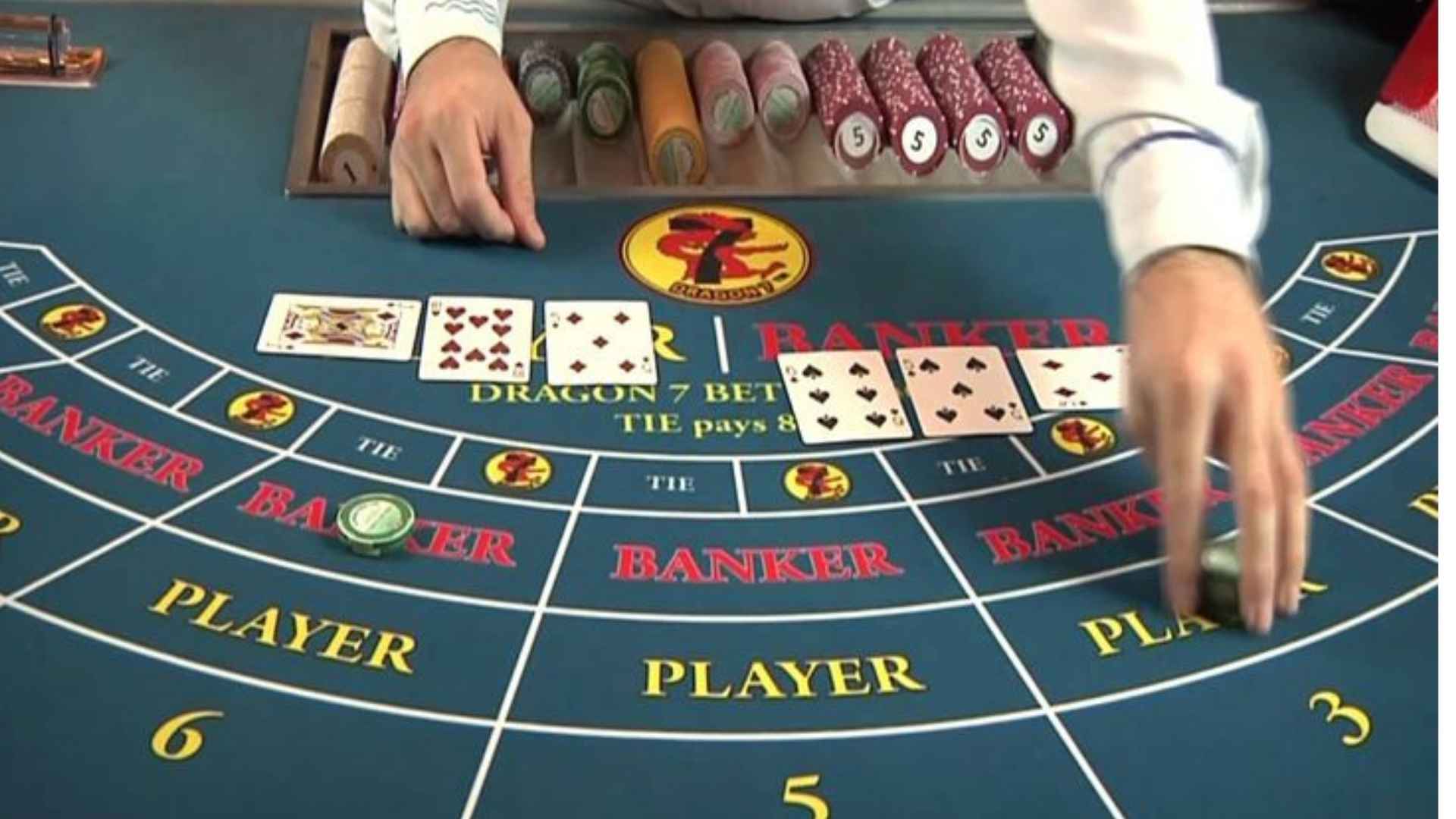
Contract bridge stands out among traditional mind sports because it fundamentally relies on seamless partnership integration and deep tactical alignment. Unlike games where an individual can dominate through solitary calculations, winning in this format requires two minds to think and act as a unified entity. Teams that regularly invest time in mastering these complex card mechanics often observe significant upgrades in their daily collaborative execution.
The Foundations of Collaborative Bidding
The auction phase in contract bridge is the absolute cornerstone of long-term success at the card table. Bidding serves as a coded dialogue between partners, allowing each side to map out their combined hand strength and distribution before a single trick is played. By refining this collaborative communication, players can consistently avoid costly penalties and discover the most lucrative game contracts.
Effective bidding in bridge is a genuinely challenging task because opponents will constantly try to interfere with your conversation. Figuring out how to arrive at the best contract with active interference requires a highly structured framework. Successful use of conventions requires a strong partnership understanding, ensuring that both players remain on the exact same page.
Developing Mutual Trust at the Table
Achieving excellence in the classic trick-taking card game of bridge relies heavily on the strength of a dual alliance. While individual technical acumen is undoubtedly valuable, a pair that cannot coordinate effectively will rarely find long-term success at tournament tables. True mastery surfaces when two distinct minds work in absolute synergy, transforming isolated card tactics into a singular, cohesive strategy.
This shared knowledge enhances table trust, making it easier to predict each other's actions and play more harmoniously as a team. For those looking to practice strategic card coordination, utilizing a reliable M88 link login can provide access to engaging digital platforms. Developing these routine disciplines is what separates casual bridge enthusiasts from highly proficient competitors over time.
Executing Sophisticated Defensive Signals
Succeeding in competitive contract bridge requires much more than just a brilliant display of card execution during your declarer play. True master players understand that matches are frequently decided by the precision and coordination of the defending side. Developing sharp defensive habits allows your partnership to neutralize aggressive bids and capitalize on the minor mistakes made by your opponents.
Coordinating with your partner through clear, subtle card signals helps the defensive side defend tough contracts successfully. Utilizing second-hand low and third-hand high combinations allows your partnership to maximize its defensive tricks. Active defense involves taking calculated risks for aggressive gains when unique opportunities present themselves at the table.
The Importance of Shared Judgment
Learning how to make judgment decisions is the core learning process as one advances from novice to expert. These choices are often the topic of long, occasionally even heated, discussion with partners after the game ends. One of the most difficult lessons to learn is when not to make a call, even though you nominally have the right hand for it.
Rushing into the first trick without a calculated plan often eliminates extra winning possibilities for the team. Balanced players learn to delay drawing trumps when they need to use them for ruffing losing cards in another suit. Careful timing ensures that you maximize entries to the dummy while simultaneously neutralizing the defenders' strategies.