Poker Terminology Every Winning Competitor Masters
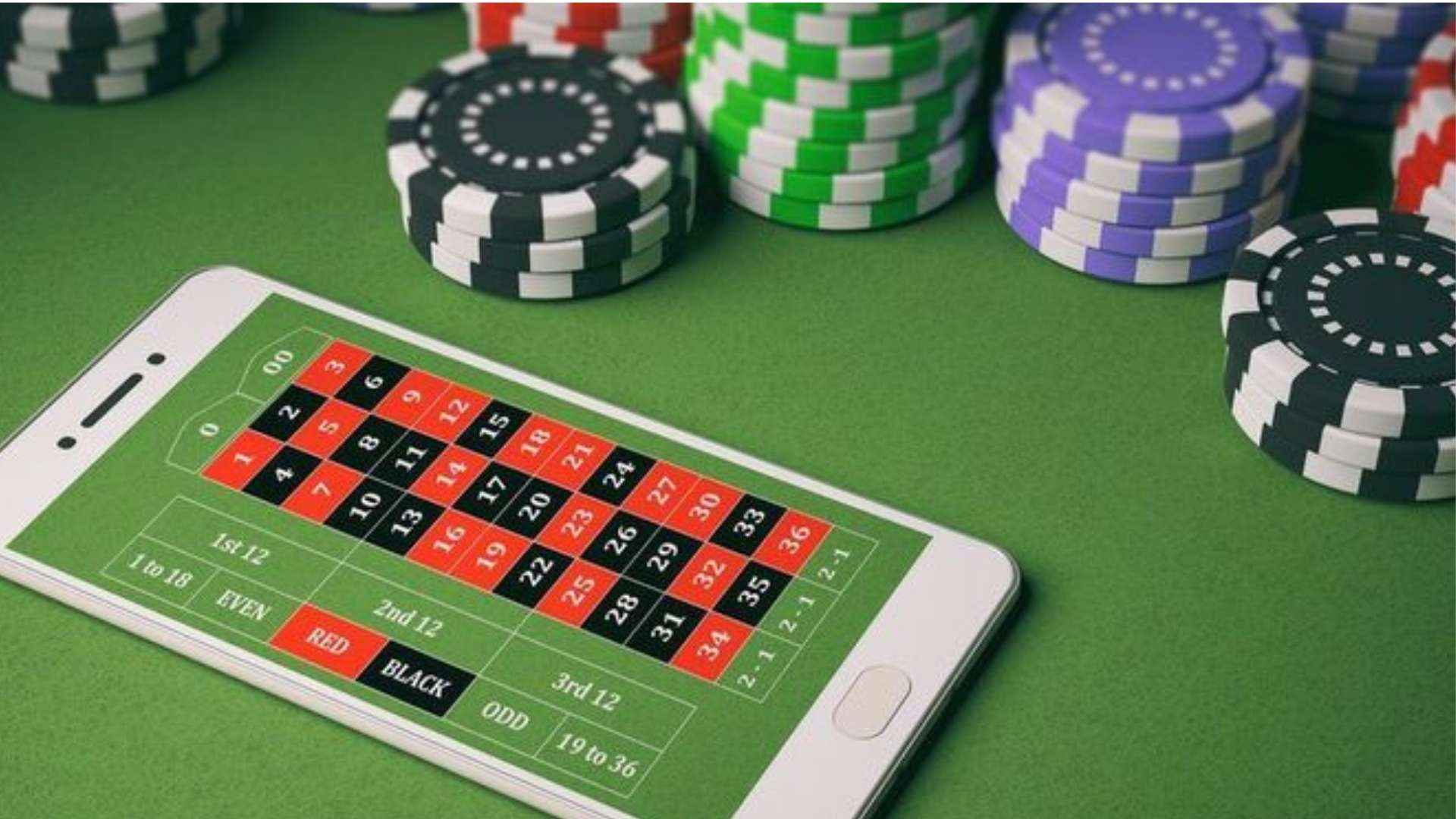
Mastering a competitive card game requires more than understanding basic hand combinations and table rules. True champions distinguish themselves by tracking complex strategic terminology that describes specific betting distributions and tactical patterns. Learning this specialized language provides players with a structured framework to interpret live action and make mathematically sound choices under intense pressure.
The Language of Betting Ranges
Experienced players rarely think about an opponent's specific cards but instead focus on a broader distribution of likely holdings. This collection of probable card combinations is referred to as a range, and analyzing it accurately is the foundation of high-level strategy. Recognizing whether an individual plays a tight or loose range allows you to predict future choices and adjust your defensive plans accordingly.
When a player actively narrows down these combinations based on preceding table actions, they are utilizing advanced hand reading skills. For example, a sudden increase in the wager size often indicates a polarized distribution, shifting between total bluffs and elite hands. Navigating these moments with total certainty requires a deep familiarity with structural vocabulary.
Positional Advantages and Action Windows
Where you sit relative to the dealer button completely alters your tactical responsibility during a given round. Operating from a later position allows an individual to gather vital information about how opponents react before making their own decision. This structural sequencing creates unique opportunities to apply maximum pressure or control the total size of the investment.
Conversely, playing from early positions requires a cautious approach due to the psychological vulnerability of acting first. To protect your chips during these challenging rounds, utilizing a secure M88 link login portal can offer a consistent digital environment to study position dynamics. Mastering how these seating configurations change ensures you maintain an edge through every session.
Deciphering Board Textures and Equity
As community cards are revealed on the table, the strategic relationship between different hands changes dramatically. Competitors analyze the collective features of these open cards, describing the situation as either a dry or wet board texture. A dry texture offers few opportunities for coordinated combinations, while a wet environment indicates that dangerous draws are highly likely.
Understanding this distinction helps a competitor evaluate their exact equity, which represents their mathematical share of the current pool. Calculating these percentages prevents individuals from making emotional choices based on temporary frustration or false hope. Strategic clarity in these fluid situations separates long-term winners from short-term participants.
Psychological Pressure and Strategic Folds
The final stages of a complex round often force players to confront extreme mental stress and calculated deception. A block bet can be deployed to prevent an opponent from launching a massive wager, allowing you to name a cheaper price to see the next card. This defensive maneuver requires excellent timing and a deep reading of active table behavior.
When the statistical indicators suggest that your hand is beaten, executing a disciplined fold is a hallmark of elite maturity. Surrendering your cards preserves valuable resources for future opportunities where the mathematical balance is heavily in your favor. Internalizing these key phrases ensures that every choice you make aligns with professional standards.