The Real Difference Between Playing And Observing
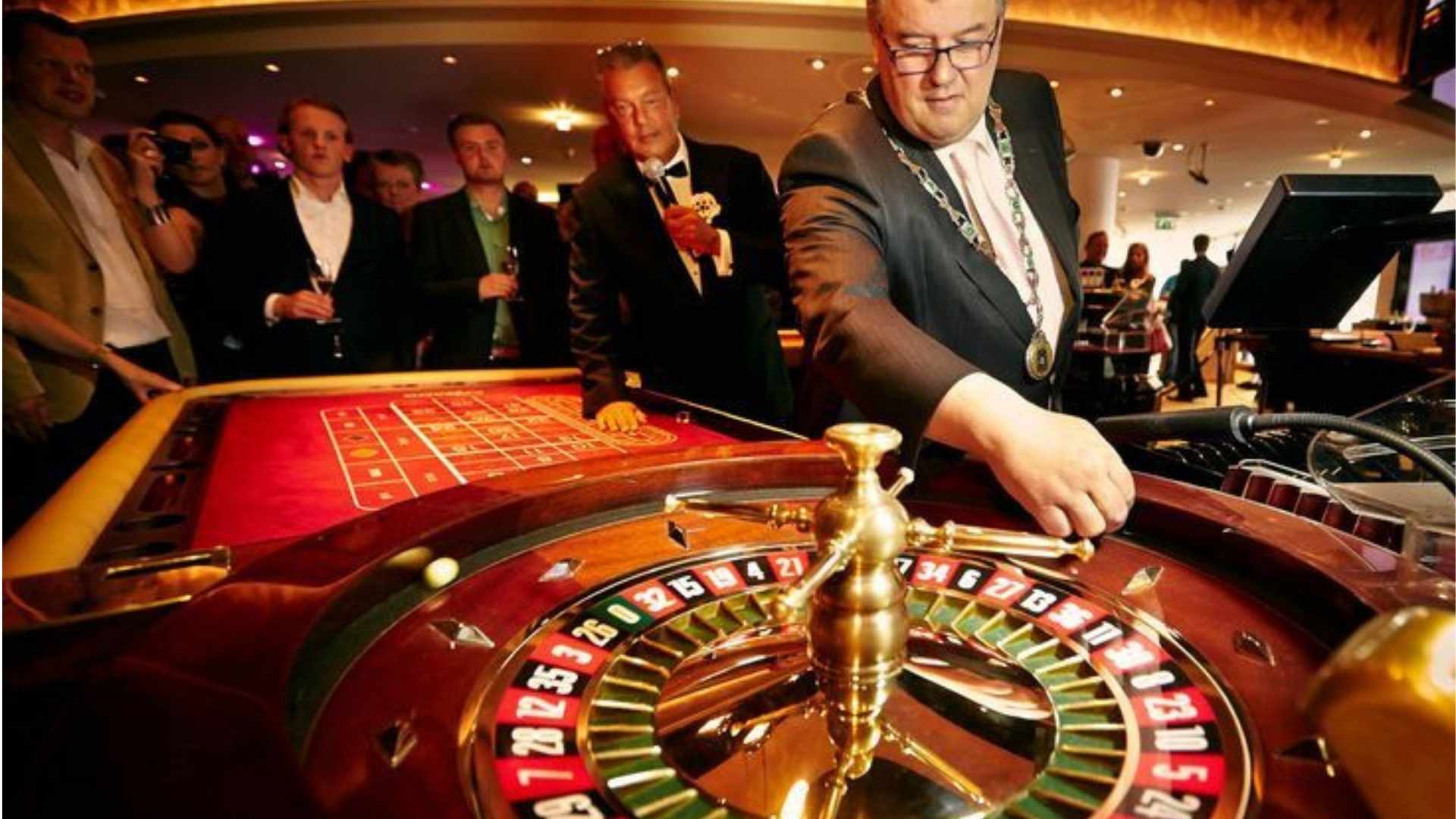
Engaging with modern tabletop and digital card games often highlights a fascinating contrast between active participation and passive analysis. While active players immerse themselves completely in the immediate tension of making choices, observers enjoy a broader perspective that reveals structural flow and hidden patterns. Understanding this fundamental distinction can significantly alter how individuals approach complex gaming environments.
The Cognitive Load of Direct Action
When an individual steps up to become an active player, their mental energy is entirely consumed by immediate decision-making processes. They must manage their budget, evaluate real-time risks, and execute choices under intense temporal pressure. This high level of emotional investment leaves very little room for detached observation or comprehensive layout tracking.
Furthermore, active participation triggers biological responses like elevated focus and adrenaline, which can sometimes cloud objective judgment. A player often struggles to see the larger shoe progression because they are too hyper-focused on the outcome of a single round. Consequently, constant involvement can lead to early mental fatigue during extended strategic sessions.
The Analytical Advantage of the Spectator
In contrast, stepping back to observe a live session shifts the entire psychological dynamic from execution to calm perception. An observer stands outside the immediate risk cycle, allowing them to study the table rhythm and dealer habits with absolute clarity. This structural detachment makes it much easier to recognize independent mathematical probabilities without emotional bias.
Spectators can track electronic roadmaps and historical scorecards without the internal pressure of defending a financial stake. For those looking to study these subtle table mechanics firsthand, visiting a comprehensive platform via the m88 link 2 offers an excellent environment for quiet observation. By focusing entirely on pattern analysis, observers build a deeper conceptual understanding of the game long before they ever place an actual wager.
Bridging the Dynamic Gap
Ultimately, the transition from watching a table to actively participating requires a conscious shift in mindset and self-assurance. A balanced approach often yields the best long-term results, where players alternate between focused spectating and calculated engagement. Using the quiet insights gained during observation allows active participants to maintain better emotional stability when they choose to play.
Recognizing whether you seek the thrill of direct engagement or the intellectual satisfaction of trend tracking helps define your personal comfort zone. Both modalities offer unique advantages that contribute to a sustainable and enjoyable relationship with digital casino entertainment. Balancing these two distinct perspectives transforms standard gameplay into a highly disciplined exercise of patience and skill.